How to Boost Instagram Reach with Microtask-Based Promotion

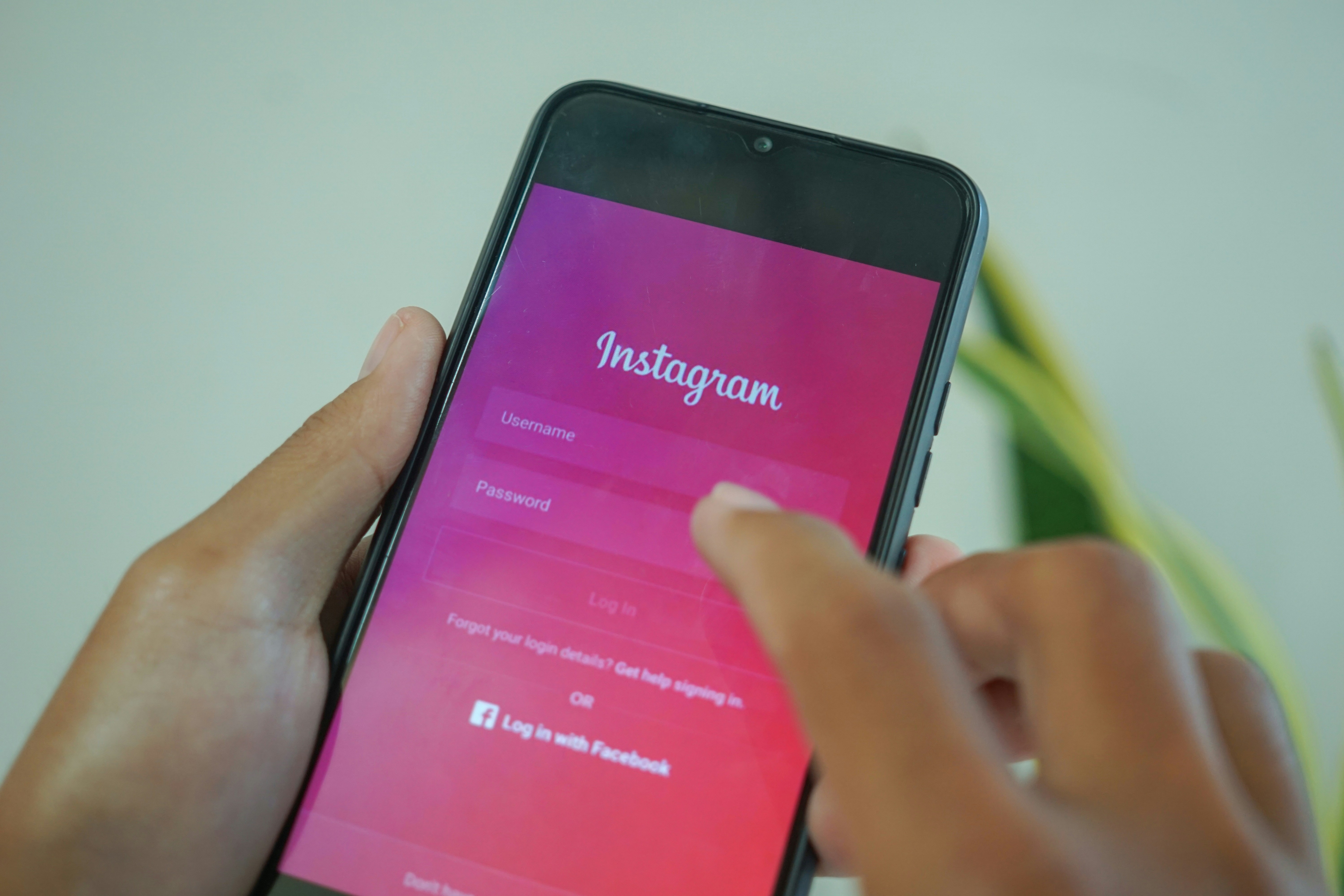
Growing on Instagram is more competitive than ever. While high-quality content and organic engagement remain essential, creators and brands are increasingly exploring microtask-based promotion platforms like RapidWorkers to give their posts an initial push. When used strategically and ethically, these small user tasks — such as viewing posts, liking, saving, and commenting — can help trigger positive signals in Instagram's algorithm and expand reach.
Understanding Instagram Reach and Algorithm Signals
Instagram reach refers to the number of unique accounts that see your content. The platform's algorithm decides how widely to distribute each post based on how users interact with it in the first minutes and hours after publishing.
Key signals the algorithm looks at include:
- Views and watch time on Reels and videos
- Likes and reactions
- Comments and quality of discussion
- Saves (indicate high value or relevance)
- Shares (to Stories, DMs, or outside Instagram)
- Profile taps and follows after viewing content
When these engagement signals spike quickly after posting, Instagram is more likely to push your content to more of your followers and into Explore and suggested feeds. Microtask-based promotion aims to stimulate these signals early and consistently.
What Is Microtask-Based Promotion via RapidWorkers?
RapidWorkers is a crowdsourcing and microtask marketplace where you can create small online tasks for global users to complete in exchange for a small payment. In the context of Instagram, these tasks usually focus on simple actions that mirror natural engagement.
Examples of Instagram-related microtasks on RapidWorkers include:
- Visiting a specific Instagram post and viewing it for a set time
- Liking a post or Reel
- Leaving a relevant, non-spammy comment
- Saving a post
- Following an account (if appropriate)
- Viewing a Reel fully and possibly replaying it
The idea is to coordinate small engagement actions across many real users, creating a burst of early interaction. If done carefully, this can help the Instagram algorithm view your content as engaging and worth distributing further.
Important Considerations and Risks
Before using microtask-based promotion, you should understand potential risks and limitations. Any attempt to manipulate platform metrics can conflict with Instagram's terms of use and community guidelines.
- Terms of service concerns: Artificially incentivized likes, comments, and follows can be considered an attempt to manipulate metrics. Instagram may penalize accounts it suspects of using non-genuine engagement.
- Account integrity: Sudden spikes in engagement from unusual geographic regions or patterns can look suspicious to automated systems.
- Quality vs. quantity: Low-quality or irrelevant comments and follows can hurt brand perception, even if they boost certain metrics temporarily.
- No replacement for genuine growth: Microtasks can provide a short-term boost, but they do not replace strong content, real community-building, and authentic interactions.
For these reasons, treat microtask-based promotion as a light support tool, not your primary growth strategy. Focus on ethical use, realistic volumes, and relevance of the actions you request.
How Microtask Engagement Can Influence Instagram Reach
Microtask-based campaigns work by concentrating engagement during a critical window after you publish a post. This can influence algorithmic signals in several ways:
- Increased early engagement: A cluster of likes, views, and saves soon after posting can encourage Instagram to show the content to a larger percentage of your existing followers.
- Improved perceived relevance: Higher engagement rates may position your post as valuable, making it more competitive for Explore page and suggested content slots.
- Social proof effect: Once real viewers see content with higher engagement counts, they are slightly more likely to also engage, strengthening natural momentum.
- Better performance testing: Early engagement can help you quickly see which content types resonate more when pushed, informing your content strategy.
Still, results vary widely. If underlying content quality is low, microtask engagement may have only a small or temporary impact.
Setting Clear Goals for Your Instagram Microtask Campaigns
Begin with specific objectives so you can design suitable tasks and measure results. Common goals include:
- Boosting reach for a key campaign post (product launch, announcement, event)
- Testing performance of new content formats (Reels, carousels, educational posts)
- Strengthening engagement metrics on a profile that already has some audience
- Supporting virality attempts for highly shareable content
Decide in advance which metrics matter most — reach, impressions, likes, comments, saves, link clicks, or follows — and structure your tasks accordingly.
Designing Effective Microtasks for Instagram via RapidWorkers
The way you set up tasks in RapidWorkers directly affects how natural, valuable, and safe your engagement looks. Below are practical guidelines.
1. Choose the Right Type of Engagement Tasks
Focus on actions that align with your goals and look organic:
- View-only tasks: Workers open and view a post or Reel for a minimum number of seconds. Helpful for video watch time and initial impressions.
- Like + view tasks: Combine brief viewing with a like. This can quickly increase basic engagement metrics.
- Comment tasks: Ask for short, relevant comments, not generic or spammy phrases. For example, "Share one takeaway from the post" rather than "Nice!"
- Save tasks: Encourage workers to save the post, signaling value to the algorithm.
- Share tasks: Have workers share your post to their Story, DMs, or an external platform, with screenshot proof — a strong signal that content is worth spreading.
- Follow tasks (use sparingly): Only ask for follows if your account clearly offers ongoing value. A high follow–unfollow rate can send negative signals over time.
2. Give Clear, Simple Instructions
Workers respond best to concise, step-by-step instructions. For example:
- Open the provided Instagram post link.
- Watch the video or view the carousel for at least 15–20 seconds.
- Like the post.
- Write a comment of at least 8–10 words that relates to the content.
- Submit a screenshot showing your like and comment as proof.
The more specific the instructions, the better the quality of engagement and the easier it is to approve or reject submissions.
3. Encourage Natural-Looking Comments
Generic comments ("Nice pic", "Cool", "Awesome") can make your engagement look artificial and reduce perceived authenticity. Instead, structure comment tasks to encourage meaningful responses.
You can instruct workers to:
- Mention a specific detail from the post (color, product, idea, statement).
- Answer a question asked in your caption.
- Share a short opinion or experience related to the topic.
This results in a comment section that appears more genuine and can spark real conversations with your target audience.
4. Control Volume and Timing
Avoid sudden, massive spikes that do not match your normal activity. Instead:
- Limit task count to a realistic number compared to your follower base.
- Schedule tasks to spread over several hours instead of a few minutes.
- Run smaller campaigns on multiple posts instead of one large, obvious push.
Gradual, moderate engagement looks more organic and is less likely to trigger platform suspicion.
Integrating Microtask Promotion with Organic Instagram Strategy
Microtask-based promotion should complement — not replace — your overall Instagram strategy. To maximize benefit, align it with best practices for organic growth.
1. Post Strong, High-Value Content First
No amount of artificial engagement will fix weak content. Focus on:
- Clear storytelling or educational value
- Clean, eye-catching visuals
- Readable text, captions, and on-screen graphics for Reels
- Hooks in the first 1–3 seconds of videos
- Calls to action that invite real viewers to comment or share
2. Optimize Posting Times
Launch microtask campaigns around times when your natural audience is usually active. That way, boosted early engagement overlaps with real-time viewer behavior, helping the algorithm see consistent interest from both sources.
3. Pair with Hashtags, Keywords, and Explore Optimization
Use relevant hashtags and search-friendly captions so that once your post gains initial traction, it can more easily surface in searches and suggested feeds.
- Mix broad, niche, and branded hashtags.
- Write descriptive captions using keywords your audience might search.
- Ensure your profile bio and username clearly communicate your niche.
4. Engage Back with Real Users
When actual followers or new visitors start commenting, reply promptly and genuinely. Use the extra reach generated by microtasks to build real relationships:
- Respond to comments with helpful or thoughtful replies.
- Visit profiles of engaged users and like or comment on their content.
- Use Stories to interact via polls, questions, and quizzes — and consider boosting early Story views so the interaction gets picked up before the 24-hour window closes.
Step-by-Step: Running a Microtask Campaign for One Instagram Post
Here is a practical walkthrough for using RapidWorkers to support a single, important Instagram post.
- Choose your post carefully. Pick a piece of content that represents your brand well and is designed to perform (strong visuals, clear message, good hook).
- Post at the right time. Publish when your audience is usually active based on your Instagram Insights.
- Prepare your RapidWorkers task. Include:
- Direct URL to the Instagram post
- Clear description of required actions (view, like, comment, save, follow, etc.)
- Minimum comment length and relevance guidelines
- Proof requirements (screenshot or username used)
- Limits on how many workers can participate
- Set a realistic budget and worker count. Align the number of microtasks with your natural engagement levels — enough to boost, not enough to look suspicious. Tasks on RapidWorkers start from $0.05 per action, so even a modest budget covers a meaningful volume.
- Time-distribute your campaign. If possible, stagger task availability so engagement arrives gradually over the first several hours after posting.
- Monitor metrics. Track reach, impressions, likes, comments, saves, and profile visits in Instagram Insights before, during, and after the campaign.
- Review worker submissions. Approve only proof that shows tasks were completed correctly and comments that meet your quality standards.
- Compare results. Compare the boosted post's performance to similar posts without microtask promotion. Look for changes in reach, engagement rate, and follower growth.
Measuring Success: Which Metrics Matter Most?
To assess whether microtask-based promotion is helping your Instagram reach, focus on metrics beyond simple like counts.
- Reach: Did the number of unique accounts reached increase significantly versus comparable posts?
- Non-task engagement: Are you seeing more organic comments, DMs, shares, or follows from people clearly outside the microtask group?
- Follower growth quality: Are new followers from relevant regions and interests, or random and low-engagement accounts?
- Downstream behavior: Are users clicking links in your bio, visiting your website, or saving multiple posts?
- Long-term patterns: Do later posts also show improved baseline reach after several campaigns, or is the effect limited to boosted posts only?
If you see better organic engagement and follower quality over time, your campaigns may be providing a useful initial push that leads to real growth.
Best Practices and Ethical Use Guidelines
To keep your strategy sustainable and minimize risk, consider these principles:
- Moderation: Use microtask promotion occasionally, not on every post, and keep volumes moderate.
- Transparency with partners: If you work with brands or clients, be clear when engagement includes incentivized actions so expectations remain realistic.
- Respect platform rules: Regularly review Instagram's terms, as policies around incentivized behaviors can change.
- Prioritize genuine value: Your main growth engine should always be trust, relevance, and real community building.
- Protect your reputation: Avoid comment instructions that make your post look obviously artificial or spammy.
Conclusion: Using RapidWorkers to Support, Not Replace, Real Instagram Growth
Microtask-based promotion through platforms like RapidWorkers can provide a short-term engagement boost that helps trigger Instagram's algorithmic signals and increase post distribution. By coordinating small user tasks — views, likes, shares, and thoughtful comments — you can give important posts an initial nudge that may expand their reach.
However, this approach has limitations and risks. Overreliance on incentivized engagement, ignoring platform policies, or tolerating low-quality interactions can harm your brand and account health. The most effective strategy is to integrate microtask campaigns into a broader, authentic Instagram plan built on high-quality content, consistent posting, audience understanding, and genuine interaction.
When used thoughtfully, sparingly, and ethically, microtask-based promotion can be one of several tools you use to help strong content reach the right eyes — where real conversations and lasting growth can begin.
Ready to try it? Browse all Instagram growth tasks: Likes · Followers · Shares · Reel Views · Story Views · Comments · Poll Votes
Ready to Get Started?
Join thousands of workers and employers already using RapidWorkers to get tasks done fast.
- No subscription
- Cancel anytime
- 24/7 availability
- Dispute resolution